
How Shy Safari’s 120-Sighting Rarity System Works
Across its 7 biomes, Shy Safari features 120 distinct animals and space sightings (18 in Coral Reef and 17 in each of the other six scenes). Every biome mixes approachable common species that emerge frequently during ordinary study periods with prized rare sightings that turn sustained classroom focus into a memorable shared event.
Unlike video games with harsh timers or competitive leaderboards, Shy Safari uses rarity as gentle curiosity: many short sessions will never reveal a rare animal, which makes the afternoon a Whale Shark, Tyrannosaurus, or Black Hole finally appears genuinely exciting for the whole class.
Complete Table of Verified Rare & Notable Sightings
| Biome | Count | Verified Common Examples | Verified Rare Sightings |
|---|---|---|---|
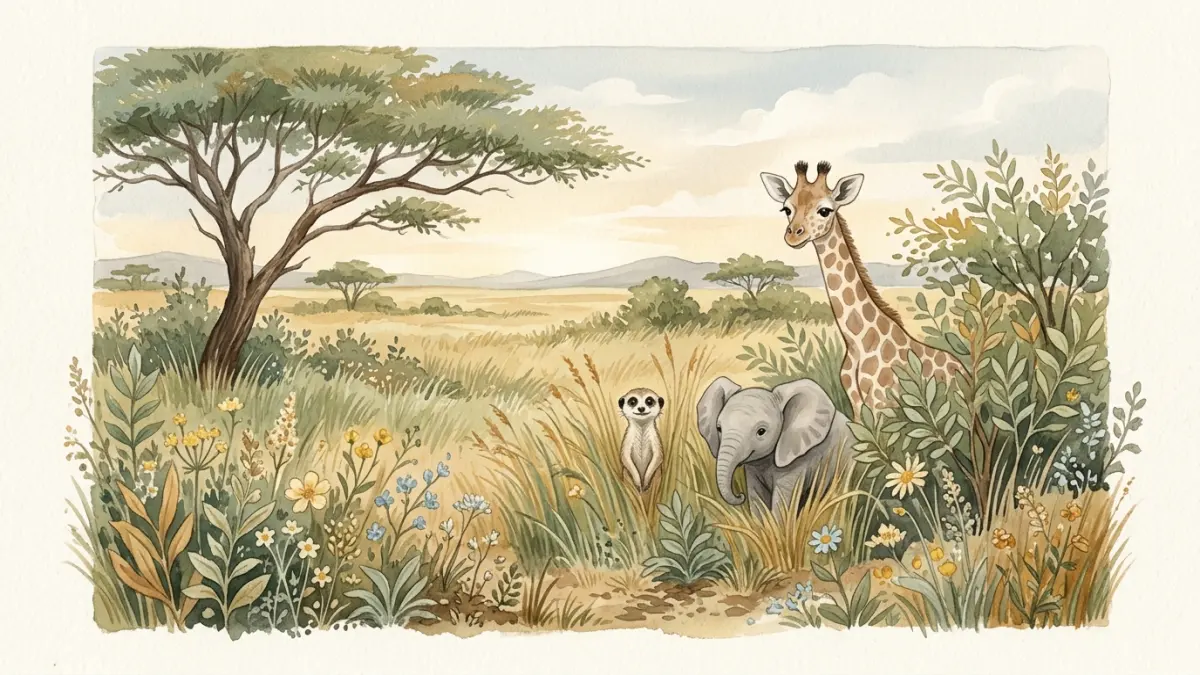
| Savanna | 17 | Meerkat, Zebra, Giraffe, Hippo, Rhino | Lion, Leopard, Elephant |
| Coral Reef | 18 | Clownfish, Seahorse, Sea Turtle, Octopus | Hammerhead Shark, Manta Ray, Whale Shark |
| Deep Space | 17 | Satellite, Asteroid, Astronaut, Space Station, Comet, Saturn-like Planet | Spiral Galaxy, Black Hole, Pulsar, Ring Nebula |
| Age of Dinosaurs | 17 | Small Mammal, Lizard, Feathered Raptor, Triceratops, Ankylosaurus | Tyrannosaurus, Quetzalcoatlus, Alamosaurus |
| Forest (Woodland) | 17 | Chipmunk, Robin, Hedgehog, Raccoon, Fox, Deer | Gray Wolf, Black Bear, Moose |
| Jungle (Rainforest) | 17 | Poison Dart Frog, Toucan, Capuchin Monkey, Sloth, Macaw, Orangutan | Jaguar, Gorilla, Tiger |
| Arctic Sea Ice | 17 | Lemming, Puffin, Arctic Fox, Caribou, Walrus, Beluga | Polar Bear, Narwhal, Bowhead Whale |
Arrival Timing: From First Sighting to Rare Encounters
Understanding the built-in pacing rhythm helps teachers align Shy Safari with their real bell schedule:
- First sighting (10–20 quiet seconds): As soon as the room drops below your volume goal for 10 to 20 seconds, the first shy creature peeks into view. This quick opener signals to students that the microphone is listening and calm behavior immediately works.
- Steady arrivals (~5 minutes on Normal): After the first animal settles in, additional wildlife emerges roughly every five minutes of quiet work.
- Customizing arrival speed: In Settings, switch between Relaxed (for long 45-minute exams or writing blocks), Normal (~5-minute rhythm), and Lively (faster reveals for younger K–2 students or brief 10-minute warm-ups), or type any custom minute interval.
How the Classroom Collection Log Encourages Return Focus
Every animal your class discovers is remembered inside that biome’s browser collection log on the classroom computer. Because each of the 7 scenes maintains its own separate log, teachers can build week-long or month-long “field naturalist” routines without adding extra grading work:
- End-of-block recap (1 minute): Open the biome collection at the end of silent reading and invite students to check whether the class spotted a brand-new species today.
- Avoid punishing accidental slips: If your class gets discouraged when animals flee during a group-work chatter spike, switch the loud behavior setting to Pause the scene (see our Mic & Sensitivity Setup Guide). Spotted animals stay safe while progress simply waits for quiet to return.
- Preview pacing beforehand: Run a quick test with our Quiet-Time Simulator on the homepage to demonstrate common vs. rare sightings to your class in under 30 seconds.
Looking for structured ways to connect these 120 wildlife sightings to reading, writing, and STEM blocks? Read our Classroom Activities Guide.
Frequently Asked Questions
How do you unlock rare animals in Shy Safari?
Rare sightings appear organically during calm sessions, though many shorter blocks may only show common species. Extending quiet blocks or setting pacing to Lively in Settings increases total sightings per session, giving your class more chances to encounter rare animals.
Does Shy Safari save the animals my class has already spotted?
Yes. Shy Safari saves your spotted animal collection locally inside the browser on your classroom computer, and each of the 7 biomes tracks its own separate list. Using the same browser profile keeps your class log intact from day to day.
What are the rare sightings in Shy Safari Deep Space?
The four verified rare Deep Space sightings are the Spiral Galaxy, Black Hole, Pulsar, and Ring Nebula—making Deep Space the only biome with four highlighted rare objects.